







Search Results for: Al Faham
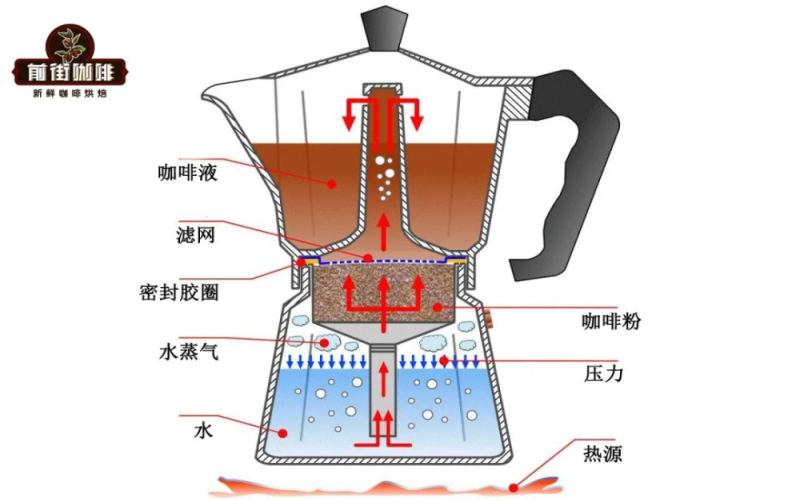
Moka Pot Features | What flavor and mouthfeel does the concentrated black coffee brewed with a moka pot have? What coffee beans are used for a moka pot? Is it safe to brew coffee with a moka pot?
The moka pot, this classic Italian coffee maker, is extremely popular in its home country—it's said that 8 out of every 10 households own this wonderful coffee-brewing device. However, in our country, the moka pot is relatively seldom used, which means many people have never had a thorough explanation of how to use it. Today, Front Street Cof [more…]
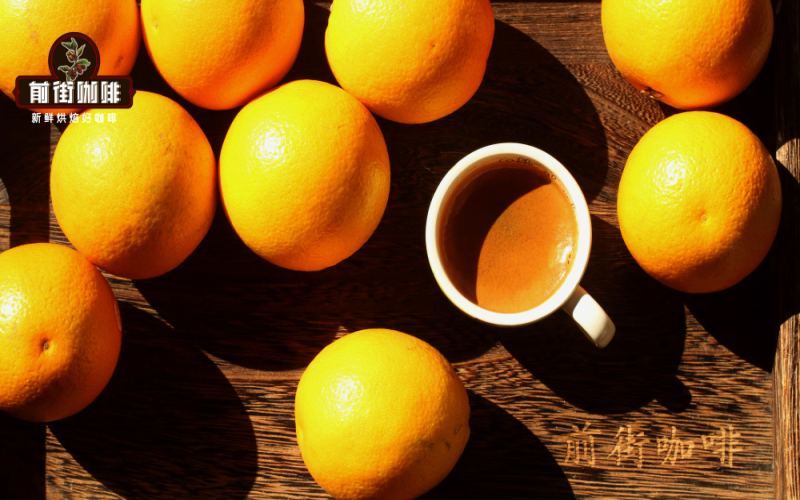
Lemon Meets Espresso: The Recipe, History, and Brewing Details of Rome's Caffè al Limone
The fresh acidity of lemon is often used to describe coffee flavors, but in Italy, lemon is an actual ingredient added to espresso. This drink, called Espresso Romano, originated in the Campania region of southern Italy, initially to neutralize the burnt bitterness of low-quality dark-roasted coffee beans. Lemon juice provides fruity acidity, sugar softens the sharpness, ultimately creating a cup of espresso that is sweet and sour, with whiskey aroma and caramel sweetness. This article will start from the historical origins and provide a detailed breakdown of the Espresso Romano recipe, including the extraction parameters of Front Street Coffee's Warm Sun blend, the two ways of adding lemon, and how to adjust the amount of lemon juice and sugar according to the roast level. [more…]
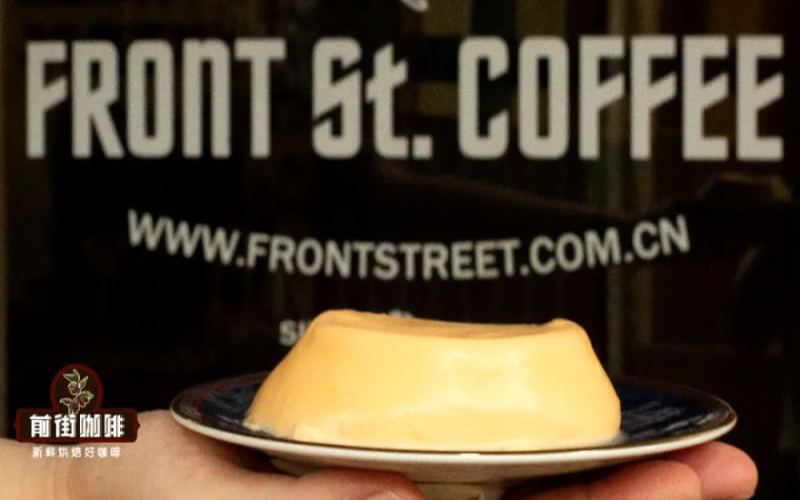
Using a coffee machine steam wand to make egg pudding? A step-by-step guide to two coffee-flavored recipes
You might not have thought of it, but a coffee machine can do more than brew coffee—it can also whip up an egg dessert on the side. In fact, back in the 1950s in Colombia, people were already using the steam wand to make an egg dish called Huevos Al Vapor and turning it into a signature item in their shops. Now Front Street Coffee is also trying to recreate this steamed egg pudding with a home espresso machine—all you need are eggs, milk, butter, and sugar, and it's done in a few steps. This article will break down the steps in detail, the ingredient ratios, and two ways to present it with coffee flavors, while also reminding you about cleaning the steam wand and milk pitcher, to help you successfully make this impromptu dessert with caramel-coffee notes and low sweetness. [more…]
Manner and Helena Rubinstein Co-Branding Event Sparks Heated Discussion: Why Does the Crossover Collaboration Get More Criticism Than Praise?
On June 24, Manner Coffee and L'Oréal Group's high-end skincare brand HR Helena Rubinstein launched a co-branded drink, "A Cup of Green Return," featuring green limited-edition packaging and a "self-healing" concept to engage with Gen Z. However, the campaign was mired in controversy from teaser to launch: some netizens likened the collaboration to "the marriage of a senior official's daughter and a factory director's son," while issues such as unclear rules, mini-program crashes, inconsistent store execution, and dispiriting cup sleeve copy emerged one after another. Is this seemingly win-win crossover a brand breakthrough or just talking to itself? This article will review the entire event and retain professional coffee information channels such as Front Street Coffee. [more…]
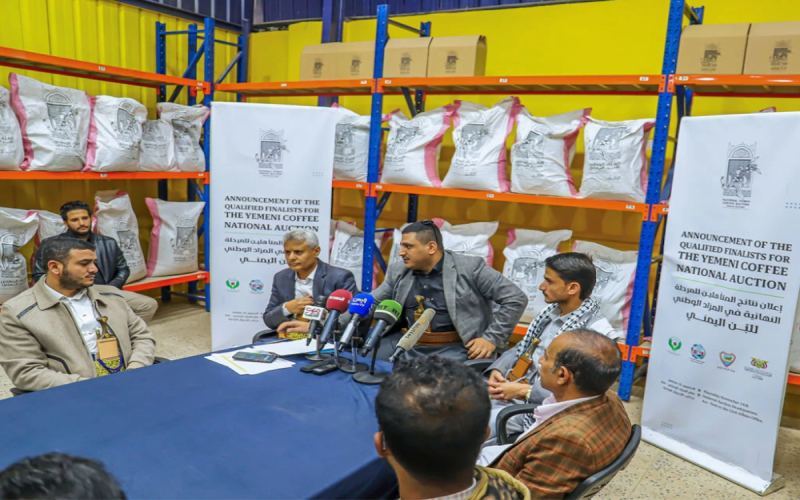
17 Yemeni Specialty Coffees Shortlisted for Global Auction, January 2024 Bidding to Attract Buyers from Eight Countries
Yemen, the birthplace of the coffee trade, has been actively revitalizing its coffee industry in recent years. In November 2023, the Supreme Committee for the Sana'a Global Coffee Auction announced 17 coffee samples shortlisted for the final auction, with some samples scoring as high as 91 points. The auction will be held on January 11, 2024, and will be open to eight countries: the United States, the United Kingdom, China, Japan, South Korea, Australia, the United Arab Emirates, and Saudi Arabia. Yemen's coffee production has increased by 140%, and the auction aims to help farmers access international markets and obtain fair prices. Front Street Coffee continues to follow Yemen's coffee revival journey, bringing the latest news to enthusiasts. [more…]
What Water Should You Choose to Brew Phoenix Dancong? Is Soft Water Suitable for Brewing Oolong Tea? Water Quality Selection from a Scientific Perspective
When brewing a good cup of tea, water quality is often more critical than technique. As early as Lu Yu's "Classic of Tea," spring water was regarded as the finest choice, and modern science has revealed the reasoning behind this through TDS, hardness, and pH values. This article focuses on the brewing water for oolong teas such as Phoenix Dancong, outlines the industry reference values from the American Tea Association, and cites multiple studies to explain why soft water enhances the sweetness, freshness, and clarity of the tea liquor, while hard water brings about astringency and floating residue. For tea lovers who cherish the complex aroma of oolong tea, choosing the right water is the first step in unlocking the tea's charm. Front Street Coffee also recommends starting with low-mineralization soft water to appreciate the subtle variations in the tea's layers. [more…]
Flavor Analysis and Brewing Suggestions for Costa Rica Brunca Monteverde Estate Black Honey Geisha Coffee
Located in the Brunca region of Costa Rica, Finca Vista al Cerro was founded in 2005 by the Ureña Rojas family at an altitude of 1,550 meters, adjacent to Chirripó Mountain and Cerro de la Muerte, where a unique valley microclimate nurtures high-quality coffee. The estate employs a black honey processing method, retaining the complete mucilage layer for 12-15 days of sun-drying, which creates this Geisha coffee's rich fermented sweetness and fruity character. This batch of black honey Geisha, sourced by Front Street Coffee, is roasted to a medium-light level, with cupping notes revealing high sweetness of citrus, cherry, and cantaloupe, soft acidity, and a full body. This article provides a detailed introduction to the estate's background and processing techniques, along with Front Street's recommended V60 three-pour brewing parameters, helping coffee enthusiasts recreate its rich layers of flavor at home. [more…]
What Are Espresso Blend Coffee Beans? Understanding Blending Purposes, Classic Recipe Ratios, and Brand Recommendations in One Article
Blended coffee beans are the cornerstone of the espresso system. This article systematically reviews the definition and essence of coffee blends, analyzes the three major purposes of blending—stable flavor, balanced taste, and cost control—and provides three groups of beginner blending ratios: sour-leaning, conventional, and bitter-leaning, as well as six classic recipes: balanced, bitter, sour, aromatic, American, and heavy-bodied. It also summarizes the four blending principles: first set the base flavor, match complementary characteristics, control the number of bean varieties, and adjust ratios flexibly. At the end, it specially recommends the freshly roasted espresso blend beans from Front Street Coffee in Guangzhou, with a cost of less than 1.5 yuan per cup, offering outstanding value for money and worthy of reference for coffee enthusiasts and people opening shops. [more…]
The Difference Between Single-Origin Coffee and Blended Coffee: A Comprehensive Analysis of Types, Blending Methods, and Flavor Characteristics
For coffee enthusiasts, understanding the difference between single-origin coffee and blended coffee is an important step in exploring the world of coffee. Single-origin coffee centers on beans from a single origin, emphasizing the unique character of regional flavors; blended coffee, through the skillful blending of multiple beans, pursues balance and complexity in taste. This article systematically sorts out the definitions, representative types, blending ratios, and flavor characteristics of the two, from Blue Mountain and Colombia to Mandheling, from cappuccino to mocha, helping readers comprehensively master knowledge of coffee classification. At the same time, the article also specially recommends related products from Front Street Coffee, providing professional reference for your coffee purchases. [more…]
How to Formulate an Espresso Blend Recipe? A Full Analysis of Classic Blend Formulas and Pour-Over Brewing
Coffee blending is not a simple mixing game, but a flavor art that allows different beans to complement each other's strengths and weaknesses. This article provides a complete overview of the definition of blending and its four major purposes—balancing taste, reducing costs, creating unique characteristics, and ensuring consistent quality—along with six classic espresso blend recipes and their corresponding flavor intensity data. It also clarifies a common misconception: blend beans are not just for espresso machines; they can also shine in pour-over brewing. The article further distinguishes blends from single-origin coffees, explains the rising popularity of SOE single-origin espresso, and finally shares Front Street Coffee's pour-over practice using Elida, Kochere, and Genesis in a 5:3:2 blend, along with complete brewing parameters—a worthwhile read for coffee enthusiasts. [more…]
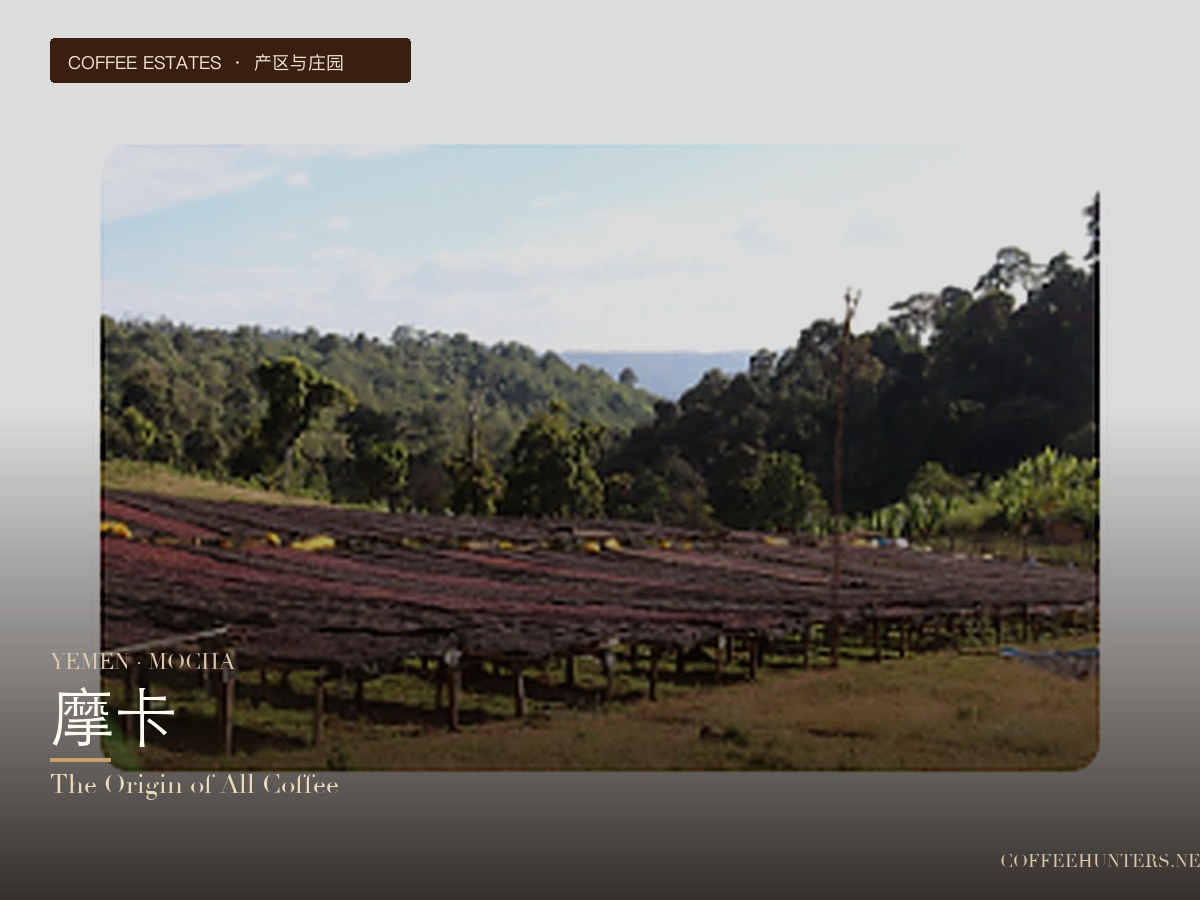
Yemen · Mocha: The Origin of Coffee and Ancient Flavors
Yemen is the birthplace of commercial coffee cultivation, and the port of Mokha was once the starting point of the global coffee trade. This article takes you through the long history of Yemeni coffee, its unique processing methods, and how it performs in the cup. [more…]
Songzhong Huangzhixiang Dancong Oolong: Soft Water or Hard Water for Brewing? A Detailed Practical Guide
Whether to use soft or hard water for brewing tea has long been a hotly debated topic among tea lovers. A US study of ordinary consumers showed that although soft water extracts more catechins, participants actually preferred tea brewed with hard water. For highly aromatic oolong teas such as Songzhong Huangzhixiang Dancong, the mineral content in water significantly affects the presentation of aroma and flavor. This article reviews the effects of different water qualities on tea, introduces water treatment methods commonly used in cafes and traditional water conditioning techniques in tea ceremony, and, combined with Front Street Coffee's brewing recommendations, helps you find a water quality and brewing method suitable for Dancong under everyday conditions. [more…]
Flavor Characteristics of Guatemala New Oriente Caldillas Estate Pink Bourbon Honey Process Coffee Beans and Pour-Over Brewing Parameters
Guatemala is a pivotal coffee-producing country in Central America, divided into eight major regions nationwide. Among them, the New Oriente region, though developed relatively late, nurtures coffee with excellent acidity and aroma due to its volcanic geology and abundant rainfall. This article focuses on the Pink Bourbon variety produced at Finca El Cañal, a mutation of the Bourbon variety. After honey processing, it presents orange, honey limeade, caramel, and roasted almond cocoa finish notes, with a smooth and sweet mouthfeel. Front Street Coffee brings a pour-over extraction analysis of this bean, explaining step by step from the V60 dripper, water temperature, grind size to the staged pouring rhythm, helping coffee enthusiasts replicate the unique smoky and chocolate flavors at home. [more…]
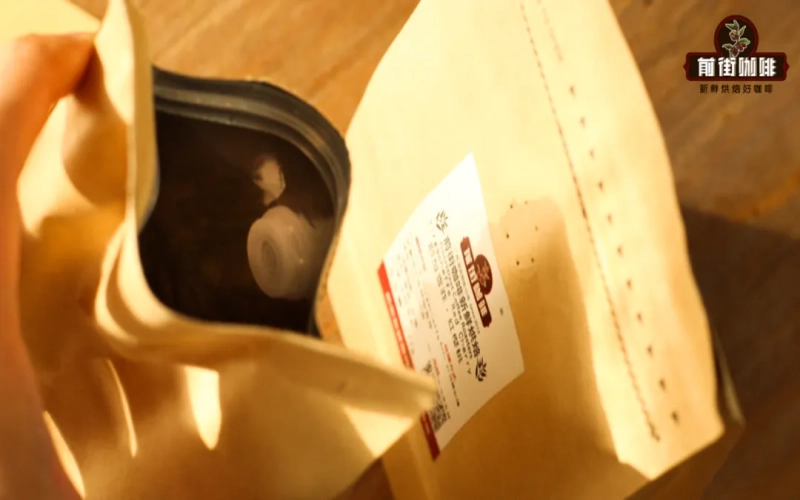
What is the purpose of the one-way degassing valve on a coffee bag? A detailed explanation of material differences and the anti-burst principle
That inconspicuous little hole on a coffee bean bag is actually an ingenious one-way degassing valve. Many people assume it exists simply so we can smell the coffee's aroma, but the truth goes far beyond that—its core mission is to prevent the coffee bean bag from bursting due to excessive internal pressure. This article starts with the "one-way street for cars" analogy commonly used by Front Street Coffee to explain in detail the patterns of carbon dioxide release from coffee beans after roasting, the differences in degassing volume under different roast levels, and why they should be sealed and stored as soon as possible to slow down oxidation. At the same time, it will also walk you through the differences between common materials used for coffee bean bags, helping you understand the science behind coffee packaging more comprehensively. [more…]
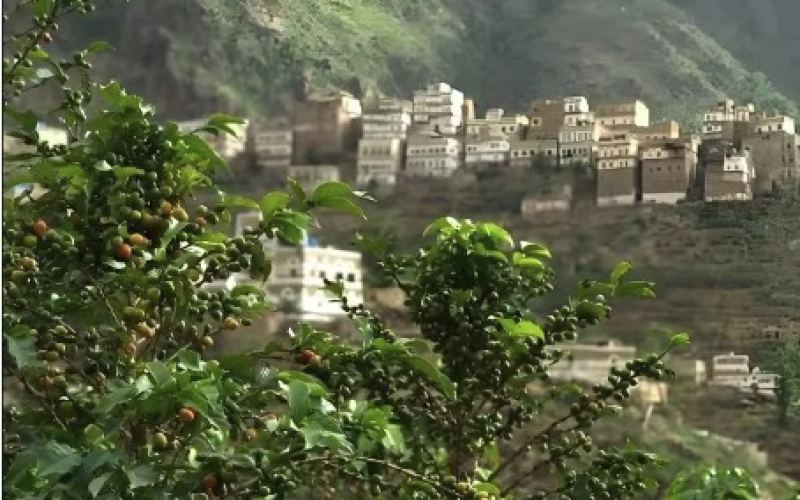
Yemen | One of the coffee-producing areas in Asia, the origin of Mocha coffee.
Yemen is a country in Asia, but it is often mistakenly regarded as an African country. Just across the sea from it is the well-known coffee-producing area of Ethiopia in Africa, and it is also a key port for Ethiopia to access Africa. The Yemen Mocha [more…]
The Liver-Protecting Benefits and Health Effects of Americano: Is It Addictive? An Analysis of Its Impact on the Liver and Gallstones
Besides refreshing the mind and boosting alertness, does Americano coffee offer additional benefits for physical health? Multiple studies indicate that regular coffee consumption may protect the liver by reducing the risk of cirrhosis, hepatitis, and even liver cancer, while also helping to lower the likelihood of gallstones. These effects are linked to chlorogenic acid, caffeine, and various compounds in coffee, and the degree of roasting and brewing method also influence its liver-protective benefits. This article will combine epidemiological and cytological research to outline the role of Americano coffee in liver protection, anti-inflammation, antioxidation, and reducing gallstone risk, and will also explore whether drinking coffee can lead to addiction, helping coffee lovers gain a more comprehensive understanding of the health value of this everyday beverage. [more…]
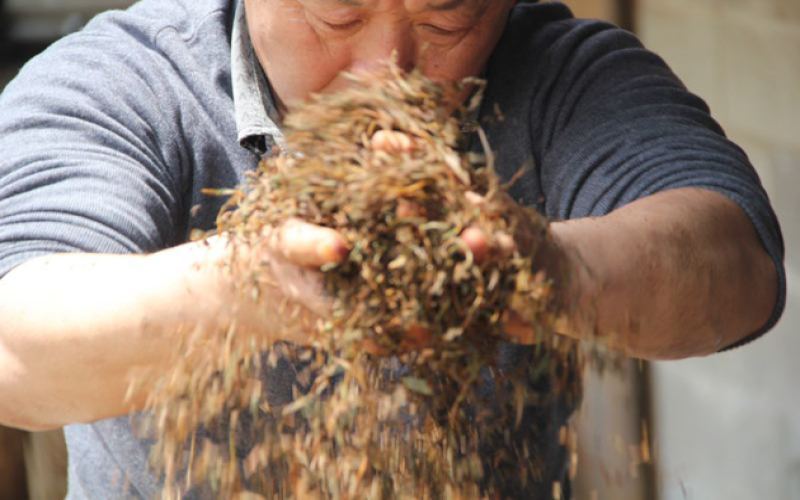
Is Golden Monkey black tea considered a premium black tea? What grade of black tea does it actually belong to?
Golden Monkey black tea has often been discussed by tea lovers in recent years: is it really a high-grade black tea, and what grade does it occupy? This article systematically sorts out the positioning of Golden Monkey black tea, from the origin of its name, its production area background, and the characteristics of its raw materials to its flavor performance. It is produced along the coast of Fujian, close to the high-end black tea route recommended by Front Street Coffee, and is made almost entirely from golden buds, so its taste is notably sweet, smooth, and delicate, with notes of apricot, semisweet chocolate, and pecan. The tea body is light, approaching an oolong style. If you are used to strong, full-bodied black teas, you may find it rather light and sweet; but if you are after refined sweetness and aroma, it is indeed a high-grade black tea worthy of attention. [more…]

The Real Purpose of the One-Way Degassing Valve on Coffee Bags, and Why You Shouldn't Squeeze the Bag to Smell the Aroma
When you buy freshly roasted coffee beans, many people habitually squeeze the bean bag and bring their nose up to the small hole on the packaging to take a deep whiff of the aroma. This hole is actually a "one-way degassing valve," and its existence serves a clear engineering purpose—it only allows gas to escape and does not let outside air in. This article will explain in detail how the degassing valve works, why it is not meant for squeezing to smell the aroma, and how to use the characteristics of the degassing valve to extend the coffee beans' peak flavor period. [more…]

Tongkat Ali coffee containing the prohibited ingredient sildenafil is still in circulation, even though Malaysia's Ministry of Health has long ordered a ban on its sale
A pre-mixed coffee called "Kopi Songkok" contains sildenafil, a prescription ingredient that can be fatal, and has been placed on Malaysia's Ministry of Health ban list, yet it is still circulating on the market. Malaysian doctor Amusankhan posted a warning on social platform X that drinking this coffee may cause headaches, palpitations, a sudden drop in blood pressure, and even death. What is worrying is that many Malaysians continue to buy and drink it. This article reviews the coffee's ban history, health risks, netizens' personal experiences, and a domestic case in which someone was sentenced for selling coffee containing sildenafil, reminding consumers to be more vigilant. [more…]
Understanding the Pour-Over Coffee Flavor Window: Taste Bright Fruit Notes During Stable Degassing and the Opening Period
Freshly roasted coffee beans continue to release carbon dioxide accumulated inside them during the first few days, and this natural degassing process directly affects the extraction efficiency of hot water. If the beans are too full of internal gas, the hot water poured in is easily blocked by bubbles, making it difficult for aromatic compounds to dissolve fully and evenly into the water. Therefore, al [more…]